Lead Generation

What Is Lead Generation?

In digital marketing, attracting potential customers is one of the most important steps toward business growth. However, simply getting people to visit a website or social media page does not guarantee sales. Businesses need a way to identify people who are genuinely interested in their products or services and move them toward becoming customers. This process is known as lead generation.

Lead generation helps businesses attract potential buyers, collect relevant information, build relationships, and create opportunities for future sales.

What Is Lead Generation?

Lead generation is the process of attracting and identifying people who may be interested in a business’s products or services.

A person becomes a lead when they take an action that indicates interest in a business. For example, someone may fill out a contact form, subscribe to an email newsletter, request a quotation, download an ebook, or contact the business through social media.

The main objective is not simply to collect as many leads as possible but to attract relevant and high-quality prospects who have a genuine possibility of becoming customers.

How Does Lead Generation Work?

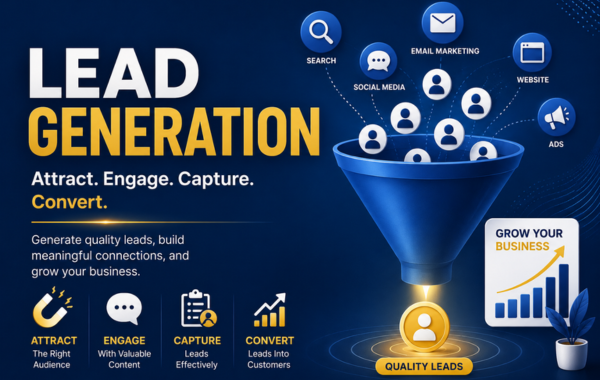
Lead generation generally follows a simple process:

Reach → Connect → Generate Leads → Build Trust → Drive Conversions

First, businesses attract potential customers through marketing channels such as search engines, social media, advertising, websites, and content marketing.

Next, they engage visitors with useful information, offers, or solutions. When visitors show interest, businesses encourage them to provide information such as their name, email address, or phone number.

The business can then nurture these prospects through follow-up communication until they are ready to make a purchase.

Why Is Lead Generation Important?

Lead generation is an important part of digital marketing because it creates a connection between marketing activities and potential sales.

1. Helps Find Potential Customers

Lead generation allows businesses to identify people who have already shown interest in what they offer.

2. Supports Business Growth

A consistent flow of qualified leads can create more opportunities for sales and help businesses grow over time.

3. Builds Customer Relationships

Not every visitor is ready to purchase immediately. Lead generation gives businesses an opportunity to stay connected with potential customers and gradually build trust.

4. Improves Marketing Efficiency

Businesses can analyze where their leads are coming from and determine which marketing channels are producing better results.

5. Creates More Sales Opportunities

When qualified prospects are properly nurtured, they have a greater chance of moving through the sales process and becoming paying customers.

Common Lead Generation Strategies

Businesses can use a variety of digital marketing methods to generate leads.

Search Engine Optimization (SEO)

SEO helps businesses appear in search results when people are looking for products, services, or information related to their industry. Useful website content can attract visitors who already have an interest in a particular solution.

Content Marketing

Blog posts, guides, ebooks, videos, case studies, and other useful resources can attract potential customers. Businesses can offer valuable content in exchange for contact information when appropriate.

Social Media Marketing

Social platforms provide opportunities to connect with potential customers through educational posts, videos, advertisements, polls, live sessions, and direct communication.

Paid Advertising

Search ads and social media campaigns can help businesses reach specific audiences. Dedicated landing pages can then encourage visitors to submit their details or take another desired action.

Email Marketing

Email campaigns help businesses stay connected with existing leads. Helpful information, product updates, offers, and personalized communication can encourage prospects to move closer to making a purchase.

Landing Pages

A landing page is designed around a specific marketing objective, such as requesting a consultation, downloading a resource, registering for an event, or submitting an inquiry.

A clear headline, relevant information, strong call-to-action, and simple form can improve the chances of converting visitors into leads.

What Is a Lead Magnet?

A lead magnet is a useful resource or offer provided to potential customers in exchange for their contact information.

Examples include:

  • Free ebooks
  • Checklists
  • Templates
  • Industry reports
  • Webinars
  • Free consultations
  • Product demonstrations
  • Educational guides
  • Free trials

The best lead magnets solve a specific problem or provide useful information to the target audience.

Types of Leads

Not every lead has the same level of interest or readiness to buy.

Marketing Qualified Lead

A Marketing Qualified Lead (MQL) has shown meaningful interest through marketing activities but may not yet be ready to speak with a sales representative.

Sales Qualified Lead

A Sales Qualified Lead (SQL) is a prospect who has demonstrated stronger buying intent and may be ready for direct sales communication.

Cold Lead

A cold lead has limited interaction with the business and may require additional communication before showing serious interest.

Warm Lead


A warm lead has interacted with the business and demonstrated some level of interest.

Hot Lead

A hot lead shows strong purchase intent and may be close to making a buying decision.

Lead Generation Funnel

Lead generation is often connected to the marketing and sales funnel.

At the awareness stage, people discover a business or its content. During the interest and consideration stages, they learn more about the available solutions.

As their interest increases, they may submit an inquiry, request pricing, schedule a consultation, or take another action that identifies them as a lead.

The final objective is to convert qualified prospects into customers.

How to Generate High-Quality Leads

Getting a large number of leads does not always mean a campaign is successful. Businesses should focus on attracting prospects who are relevant to their products or services.

Some effective practices include:

  • Clearly defining the target audience
  • Creating useful and relevant content
  • Using specific landing pages
  • Offering valuable lead magnets
  • Writing clear calls-to-action
  • Making forms simple and easy to complete
  • Following up quickly
  • Personalizing communication
  • Tracking campaign performance
  • Regularly improving marketing strategies
  • Common Lead Generation Mistakes

Businesses can lose valuable opportunities by making avoidable mistakes.

Targeting Everyone

Trying to reach everyone can make marketing messages too general. Defining a specific target audience usually creates more relevant campaigns.

Using Weak Calls-to-ActionVisitors need tounderstand what they should do next. A clear call-to-action can make the next step easier.

Asking for Too Much Information

Long forms can discourage visitors from completing them. Businesses should generally request only the information they actually need at that stage.

Ignoring Follow-Ups

Generating a lead is only the beginning. Without timely and relevant follow-up, interested prospects may lose interest or choose another business.

Focusing Only on Quantity

A large number of low-quality leads may provide less business value than a smaller group of highly relevant prospects.

How to Measure Lead Generation Success

Businesses can use several metrics to evaluate their lead generation efforts.

Important measurements include:

Number of leads generated
Cost per lead
Lead conversion rate
Landing page conversion rate
Marketing qualified leads
Sales qualified leads
Customer acquisition cost
Lead-to-customer conversion rate
Return on marketing investment

Tracking these metrics helps businesses understand which strategies are producing meaningful results.

The Role of AI in Lead Generation

Artificial intelligence is increasingly being used to improve lead generation. AI-powered tools can help businesses analyze customer behavior, identify promising prospects, personalize communication, automate follow-ups, and improve campaign targeting.

However, technology works best when combined with a clear strategy, useful content, and a strong understanding of the target audience.

Conclusion

Lead generation is a fundamental part of modern digital marketing. It helps businesses attract interested prospects, collect valuable information, develop relationships, and create opportunities for sales.

A successful lead generation strategy is not simply about collecting contact details. It is about attracting the right audience, providing genuine value, building trust, and guiding potential customers toward a purchase decision.

By combining SEO, content marketing, social media, paid advertising, landing pages, email marketing, and effective follow-up, businesses can build a consistent system for generating and converting high-quality leads.
Influencer and Creator Economy

What Is the Influencer and Creator Economy?

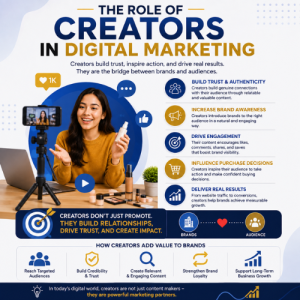
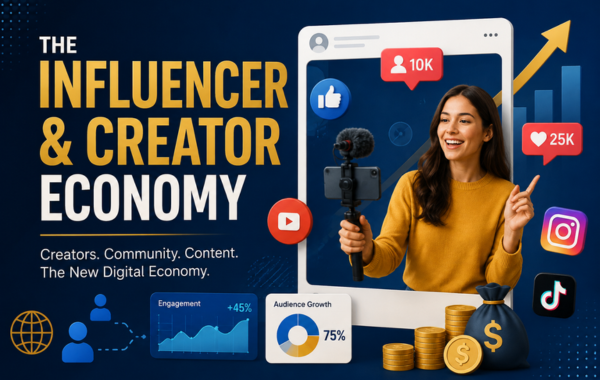
The rise of social media has changed the way people create content, build personal brands, and earn money online. Today, individuals can turn their knowledge, creativity, personality, or interests into a professional career without depending entirely on traditional media companies. This growing ecosystem is known as the Influencer and Creator Economy.

From YouTube videos and Instagram posts to podcasts, newsletters, blogs, and short-form videos, creators have more opportunities than ever to connect directly with audiences and build businesses around their content.

What Is the Creator Economy?

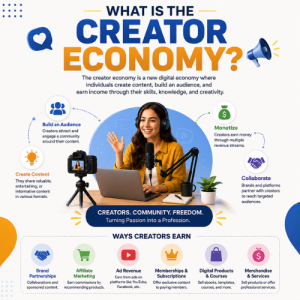
The creator economy refers to the digital ecosystem where independent creators produce content, build audiences, and generate income through online platforms.

Creators can include:

  • YouTubers
  • Bloggers
  • Social media creators
  • Podcasters
  • Streamers
  • Photographers and videographers
  • Online educators
  • Newsletter writers
  • Digital artists
  • Coaches and consultants

Instead of working only for traditional companies or media organizations, creators can develop their own audience and monetize their skills and ideas directly.

What Is the Influencer Economy?

The influencer economy is closely connected to the creator economy but focuses more on individuals who influence the opinions, interests, and purchasing decisions of their audiences.

Influencers typically develop a strong presence on platforms such as Instagram, YouTube, Facebook, TikTok, or other social networks. Brands work with these individuals to promote products and services to targeted audiences.

For example, a fitness creator may collaborate with a sportswear company, while a beauty influencer may partner with a skincare brand.

Influencers vs. Creators: What Is the Difference?

Although the terms are often used interchangeably, there is a small difference.

Creators primarily focus on producing valuable or entertaining content and building a loyal community.

Influencers focus more heavily on their ability to affect audience opinions, preferences, and buying decisions.

However, one person can be both a creator and an influencer. A YouTuber who regularly creates educational videos and promotes relevant products, for example, may operate in both areas.

How Does the Creator Economy Work?

The creator economy generally follows a simple cycle:

Create Content → Build an Audience → Develop Trust → Monetize the Audience

Creators publish content that attracts people with similar interests. As their audience grows, they can create different income streams based on their skills, niche, and audience engagement.

Some creators earn money through advertising, while others sell products, services, memberships, courses, or digital products.

How Do Influencers and Creators Make Money?

There are several ways creators and influencers can generate income.

1. Brand Partnerships

Brands may pay creators to feature or recommend their products. Sponsorships can include social media posts, videos, product demonstrations, reviews, or long-term collaborations.

2. Affiliate Marketing

Creators can recommend products using special affiliate links. When followers make qualifying purchases through those links, the creator may receive a commission.

3. Advertising Revenue

Platforms such as YouTube can allow eligible creators to earn revenue from advertisements displayed alongside their content.

4. Selling Digital Products

Creators can develop and sell ebooks, templates, online courses, guides, presets, or other digital resources based on their expertise.

5. Memberships and Subscriptions

Some creators offer exclusive content, private communities, or additional benefits to followers who pay a recurring subscription.

6. Merchandise

Creators with strong communities may launch branded clothing, accessories, stationery, or other merchandise.

7. Professional Services

Experts can use their online audience to generate leads for services such as consulting, coaching, photography, graphic design, marketing, or education.

Why Is the Creator Economy Growing?

Several factors have contributed to the rapid expansion of the creator economy.

Easy Access to Digital Platforms

People no longer need expensive studios, television networks, or publishing companies to reach an audience. A smartphone and an internet connection can be enough to start creating content.

Direct Connection With Audiences

Creators can communicate directly with followers through comments, live streams, messages, communities, and newsletters. This direct relationship can help build trust and loyalty.

Growth of Short-Form Content

Short videos have made content creation more accessible and have given new creators opportunities to reach large audiences.

Changing Consumer Behavior

Consumers increasingly look for authentic opinions, demonstrations, tutorials, and real-world experiences before making purchasing decisions. This has increased the importance of creators in digital marketing.

The Role of Creators in Digital Marketing

Creators have become an important part of modern digital marketing strategies. Instead of communicating only through traditional advertisements, brands can collaborate with people who already have a relationship with their target audience.

Creator marketing can help businesses:

  • Increase brand awareness
  • Reach specific niche audiences
  • Generate engagement
  • Build credibility
  • Introduce products naturally
  • Drive website traffic
  • Support sales and conversions

The effectiveness of a creator partnership often depends more on audience relevance and trust than simply the number of followers.

Micro-Influencers and Niche Creators

A creator does not necessarily need millions of followers to provide value to a brand.

Their audiences may trust their recommendations because their content feels more personal and relatable.

For businesses targeting specific customer groups, working with several niche creators can sometimes be more effective than relying on one celebrity influencer.

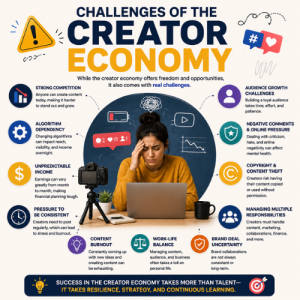
Challenges of the Creator Economy

Despite its opportunities, becoming a successful creator is not always easy.

Creators often face:

Strong competition
Changing social media algorithms
Unpredictable income
Pressure to publish consistently
Audience growth challenges
Brand partnership uncertainty
Content burnout
The need to manage multiple business activities

Successful creators therefore need more than creativity. They also need skills in branding, marketing, communication, analytics, business management, and audience development.

The Future of the Influencer and Creator Economy

The creator economy is expected to continue evolving as social platforms, artificial intelligence, video formats, and digital commerce develop.

Creators are increasingly becoming entrepreneurs rather than simply content producers. Many are building complete businesses around their personal brands, combining content with products, services, communities, and educational resources.

For brands, creator partnerships are also becoming a valuable part of digital marketing because they provide opportunities to reach highly targeted audiences through relatable and engaging content.

Conclusion

The Influencer and Creator Economy represents a major shift in how individuals build careers and how businesses connect with consumers. Anyone with valuable knowledge, creativity, or a unique perspective can potentially build an audience and turn that audience into a sustainable business.

For creators, the key is to focus on authentic content, consistent communication, and a clearly defined niche. For businesses, the focus should be on finding creators whose audiences genuinely match their target customers.

As digital platforms continue to evolve, the relationship between creators, audiences, and brands will remain an important part of the future of digital marketing.

Freelancing And Agency Tips

How to Start a Successful Freelancing Career

Freelancing has become an attractive career option for people who want flexibility, independence, and the opportunity to work with clients from different parts of the world. With the growth of digital platforms and remote work, skilled professionals can now offer their services without being tied to a traditional office job.

However, building a successful freelancing career requires more than simply creating an account on a freelance platform. You need the right skills, a strong portfolio, effective communication, and a clear strategy for finding and retaining clients.

What Is Freelancing?

Freelancing is a way of working independently by providing professional services to clients on a project or contract basis. Freelancers can work with one or multiple clients and may choose their own projects, schedules, and work locations.

Popular freelancing fields include:

The first step toward freelancing success is identifying a skill that you can offer professionally. Choose something that matches your interests, existing knowledge, or career experience.

If you are starting from scratch, focus on learning one marketable skill instead of trying to master several skills at the same time. A specialized skill can make it easier to position yourself and attract the right clients.

Improve Your Skills

Clients are more likely to hire freelancers who can demonstrate real expertise. Spend time learning the fundamentals of your chosen field and keep practicing through personal projects.

Online courses, tutorials, books, and practical assignments can help you develop your abilities. Most importantly, keep learning because digital tools, marketing techniques, and industry expectations continue to change.

Build a Professional Portfolio

A portfolio allows potential clients to see what you can actually do. Even if you have not worked with paying clients yet, you can create sample projects to demonstrate your skills.

For example, a digital marketer could create a sample social media campaign, while a content writer could prepare sample blog posts or website copy.

Your portfolio should:

  • Showcase your strongest work
  • Clearly explain the services you provide
  • Demonstrate your skills through practical examples
  • Be simple and easy to navigate
  • Include relevant results or outcomes whenever possible
  • Create a Strong Freelance Profile

Your freelance profile is often the first impression a potential client gets. Write a clear introduction that explains your expertise, services, and the type of clients you want to work with.

Avoid using complicated language or making unrealistic claims. Instead, focus on how your skills can help clients solve their problems.

A professional profile should include a suitable profile photo, relevant skills, experience, portfolio samples, and a concise description of your services.

Start Finding Freelance Clients

Once your skills, portfolio, and profile are ready, start looking for potential clients. Freelancers can find opportunities through freelance marketplaces, professional networking platforms, social media, personal websites, referrals, and direct outreach.

When applying for projects, avoid sending the same generic proposal to every client. Read the project requirements carefully and explain how your skills can help with the specific task.

Set Reasonable Freelance Rates

Pricing your services can be challenging when you are new to freelancing. Your rate should reflect your skill level, experience, project complexity, and the value you provide.

Beginners may start with competitive rates while building experience and collecting testimonials. As your skills and reputation grow, you can gradually increase your charges.

Instead of competing only on low prices, focus on providing reliable service and delivering quality work.

Communicate Professionally

Good communication can make a major difference in a freelancer’s success. Respond to clients clearly, ask relevant questions, confirm project requirements, and keep clients informed about progress.

Before starting a project, make sure both sides understand the deadline, deliverables, revisions, payment terms, and other important expectations.

Professional communication helps build trust and can lead to repeat business.

Always Meet Deadlines

Reliability is one of the most valuable qualities a freelancer can have. Deliver your work on time and inform the client as early as possible if an unexpected problem could affect the deadline.

Consistently meeting deadlines can improve your reputation and increase the chances of receiving positive reviews, referrals, and long-term projects.

Build Long-Term Client Relationships

Freelancing is not only about finding new clients. Developing strong relationships with existing clients can create a more stable source of income.

After successfully completing a project, stay connected with clients and let them know about additional services you offer. A satisfied client may return for future work or recommend your services to others.

Keep Learning and Adapting

The freelancing industry changes constantly. New technologies, software, platforms, and client expectations can create both challenges and opportunities.

Make continuous learning part of your routine. Improving your existing skills and developing complementary skills can help you remain competitive and expand your services over time.

Avoid Common Freelancing Mistakes

New freelancers often make mistakes that can slow down their progress. Some common problems include:

  • Accepting every project without evaluating it
  • Setting extremely low prices
  • Working without clear project requirements
  • Missing deadlines
  • Ignoring client communication
  • Depending on only one source of client
  • using copied portfolio samples
  • Taking on more work than they can handle

Being aware of these mistakes can help you build a more sustainable freelance career.

Conclusion

Starting a successful freelancing career takes patience, skill development, consistency, and professionalism. You do not need to become an expert overnight. Begin with one strong skill, create a portfolio, build your professional presence, and gradually develop a network of clients.

As you gain experience and deliver quality work consistently, freelancing can become more than a source of side income—it can develop into a flexible and rewarding long-term career.

Copywriting

Copywriting: The Power of Words in Digital Marketing

In today’s digital world, businesses have only a few seconds to capture a customer’s attention. A strong visual may attract people, but compelling words can encourage them to take action. This is where copywriting becomes an important part of digital marketing.

Copywriting is the art of creating persuasive and purposeful content that encourages readers to take a specific action. Whether the goal is to make a purchase, submit an enquiry, sign up for a service, download an ebook, or visit a website, effective copywriting helps turn attention into action.

What Is Copywriting?

Copywriting is the process of writing marketing content designed to influence an audience and support a business objective. Unlike general content writing, copywriting focuses strongly on persuasion and conversion.

Copy can appear in many places, including:

Website pages
Landing pages
Social media advertisements
Google Ads
Email campaigns
Product descriptions
Brochures and promotional materials
Video advertisements
Headlines and call-to-action buttons

Good copy communicates the value of a product or service while addressing the needs, interests, and problems of the target audience.

Why Is Copywriting Important for Businesses?

Having a website or running advertisements is not enough to generate results. Businesses also need messaging that clearly communicates why customers should choose them.

Effective copywriting can help businesses:

1. Capture Audience Attention

A powerful headline can make visitors stop scrolling and pay attention to your message. The opening words should quickly communicate something relevant or valuable to the audience.

2. Build Brand Connection

The right words can communicate a company’s personality, values, and approach. Consistent messaging across different platforms can make a brand easier to recognize and remember.

3. Explain Products and Services

Before making a decision, potential customers need to know what you provide and how your product or service can address their specific needs. Well-written copy presents this information in a clear and engaging way.

4. Encourage Customer Action

A strong call to action tells visitors what to do next. Phrases such as “Get Started,” “Request a Quote,” or “Book a Consultation” can guide users toward the desired action.

5. Improve Marketing Performance

Persuasive copy can make advertisements, landing pages, emails, and social media campaigns more effective. When the message connects with the right audience, it can contribute to better engagement and conversions.

Copywriting vs. Content Writing

Copywriting and content writing serve different roles, even though both involve creating written material for an audience.

Content writing generally focuses on educating, informing, or entertaining an audience. Blog posts, guides, and educational articles are common examples.

Copywriting focuses more directly on persuasion and encouraging an action. Advertisements, sales pages, promotional emails, and landing-page copy are common examples.

In digital marketing, both work together. Helpful content can attract and educate potential customers, while persuasive copy can encourage them to take the next step.

Different Types of Copywriting

Copywriting covers a wide range of marketing activities. Some common types include:

Website Copywriting

Website copy explains a business, its services, benefits, and unique value. Strong website copy can help visitors understand the brand and move naturally toward contacting or purchasing from the business.

Advertising Copywriting

Ad copy is created for platforms such as Google Ads and social media advertising. Because advertisements often have limited space, the message needs to be concise, relevant, and persuasive.

Social Media Copywriting

Social media copy can take many forms, including engaging captions, promotional updates, concise posts, and paid ad messaging. The writing style should match the platform while encouraging interaction or action.

Email Copywriting

Email copywriting is used to create subject lines, promotional emails, newsletters, offers, and follow-up messages. Effective email copy can increase opens, engagement, and conversions.

SEO Copywriting

SEO copywriting combines persuasive writing with search-friendly content. It aims to provide value to readers while naturally incorporating relevant keywords and search intent.

Landing Page Copywriting

Landing pages are designed around a specific marketing goal. A landing page should present the offer clearly, highlight its key advantages, build visitor confidence, and guide them toward the desired response.

Key Elements of Effective Copywriting

Successful copywriting is not simply about using attractive words. Several elements work together to make the message effective.

A Strong Headline: The headline should immediately communicate relevance or value.

Audience Understanding: Good copy speaks directly to the needs, challenges, and expectations of the intended audience.

Clear Benefits: Instead of focusing only on features, effective copy explains how the product or service can benefit the customer.

Simple Language: Clear and easy-to-understand language generally makes marketing messages more accessible.

Trust and Credibility: Testimonials, reviews, statistics, case studies, guarantees, and other trust signals can strengthen a marketing message when used appropriately.

A Clear Call to Action: The reader should understand what action to take next.

How Copywriting Supports Digital Marketing

Copywriting plays a role across almost every area of digital marketing. SEO brings users to a website, social media creates engagement, paid advertising attracts targeted traffic, and email marketing maintains communication with potential customers. Copywriting helps shape the message across these channels.

For example, a digital marketing campaign may attract visitors through an advertisement, direct them to a landing page, and then encourage them to submit an enquiry. The words used in the advertisement and landing page can have a significant influence on whether the visitor continues with the process.

This makes copywriting an important part of a broader digital marketing strategy.

How to Create Better Marketing Copy

Businesses can improve their copywriting by following a few practical principles:

Understand the target audience before writing.
Identify the customer’s problem or need.
Communicate the main benefit clearly.
Use simple and direct language.
Keep your message focused so readers immediately understand the main point.
Add relevant proof or credibility where appropriate.
End with a clear next step that encourages the audience to respond or take action.
Test different headlines and messages when possible.

Effective writing does not need complicated language; clarity and relevance matter more.

Final Thoughts

Copywriting is one of the most valuable skills in digital marketing because words influence how people understand a brand, evaluate an offer, and decide what to do next. From website content and advertisements to emails and landing pages, effective copy can strengthen the performance of marketing campaigns.

For businesses looking to build a stronger online presence, combining creative copywriting with SEO, social media marketing, paid advertising, and other digital strategies can create a more consistent and effective customer journey.

At Samraddh Digital Marketing Agency, we help businesses develop meaningful digital marketing strategies that connect their brand with the right audience and support sustainable online growth.

Content Marketing

Why a Strong Content Strategy Matters for Business Success

With customers spending more time online, simply promoting products or services is no longer enough to build awareness, trust, and long-term loyalty . People want useful information, trustworthy brands, and meaningful interactions before making a purchase. This is where content marketing becomes an important part of a successful digital marketing strategy.

Whether through blogs, social platforms, videos, newsletters, or downloadable resources, valuable content enables businesses to engage their audience and develop a stronger brand over time. When planned properly, content marketing can increase visibility, generate leads, strengthen credibility, and support sustainable business growth.

What Is Content Marketing?

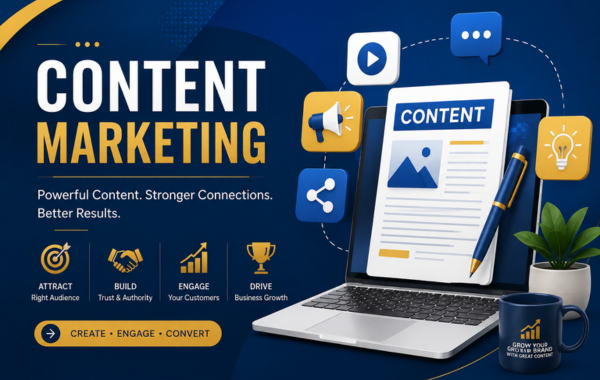
Content marketing is a strategic approach to creating and sharing valuable, relevant, and consistent content for a specific audience. Instead of directly pushing a product or service in every communication, businesses provide information that helps people solve problems, answer questions, or make better decisions.

Common forms of content marketing include:

Blog articles and website content
Social media posts
Videos and reels
Infographics
E-books and guides
Case studies
Email newsletters
Educational resources
Frequently asked questions

The goal is to attract the right audience, build trust, and gradually turn interested visitors into customers.

How Content Marketing Supports Business Growth
1. Improves Online Visibility

Creating useful content gives your business more opportunities to appear in search engine results. Well-structured articles targeting relevant search queries can bring potential customers to your website when they are actively looking for information.

For example, a digital marketing agency can publish articles about SEO, social media marketing, Google Ads, and local marketing. These topics can attract users
who are exploring digital opportunities and could benefit from expert services in the future.
2. Builds Brand Authority

Customers are more likely to trust businesses that demonstrate knowledge and expertise in their industry.

Regularly publishing informative content allows a company to answer common questions, explain complicated topics, and share practical insights. Over time, this can position the brand as a reliable source of information.

A strong content strategy doesn’t simply promote what you sell—it demonstrates why your business understands the problems your customers are trying to solve.

3. Helps Generate Quality Leads

Someone may initially discover your business through an educational blog post. Later, they might download a guide, follow your social media page, subscribe to your newsletter, or contact your business for more information.

By providing useful content throughout this journey, businesses can nurture prospects and move them closer to making a purchase.

4. Supports SEO Performance

Content and SEO work closely together. Search engines need useful, relevant information to understand what a website is about.

Publishing high-quality content around relevant topics and keywords can help businesses:

Target valuable search queries
Build topical relevance
Earn organic traffic
Improve internal linking
Answer users’ search questions
Create opportunities for backlinks

However, effective content should be written for people first. Simply filling articles with keywords is unlikely to create a valuable experience for readers.

5. Strengthens Customer Relationships

Content marketing isn’t only about attracting new customers.

Helpful newsletters, product tips, educational videos, updates, and social media content can keep your audience engaged after the initial purchase.

When customers consistently receive useful information from a brand, they have more reasons to remain connected with it.

6. Increases Brand Awareness

Consistent content can help your business stay visible across multiple digital channels.

A single idea can often be adapted into different formats. For example, :

Several social media posts
A short video
An infographic
An email newsletter
A carousel post

This allows businesses to communicate the same core message in formats that suit different audience preferences.

7. Provides Long-Term Marketing Value

Paid advertisements can generate quick visibility, but their traffic generally depends on continued advertising investment. Valuable content can continue
attracting visitors long after it is published.

An informative blog article, useful guide, or evergreen video may continue generating traffic, engagement, and leads over time.

This makes content marketing a valuable long-term investment for businesses that want to build a strong digital presence.

Different Types of Content Businesses Can Use

The right combination depends on your audience, industry, goals, and available resources.

Blog Content

Blogs are useful for answering customer questions, targeting search queries, explaining services, and building SEO visibility.

Social Media Content

Social media allows businesses to share educational, entertaining, and promotional content while interacting directly with their audience.

Video Content

Videos can simplify complex information and demonstrate products, services, processes, or customer experiences in an engaging way.

Case Studies

Case studies demonstrate how a company addressed a genuine customer challenge and delivered a practical solution. They can provide potential customers with practical evidence of your expertise.

Email Content

Email newsletters can help businesses maintain relationships with subscribers by sharing valuable information, updates, offers, and resources.

Essential Steps to Build a High-Impact Content Marketing Strategy

Effective content marketing starts with a clear plan, not random or occasional publishing.

Step 1: Understand Your Audience

Identify who your customers are, what problems they face, what questions they ask, and what information they need before making a purchase.

Step 2: Set Clear Goals

Your content strategy should have measurable objectives. These might include increasing website traffic, generating leads, improving search visibility, increasing engagement, or supporting sales.

Step 3: Research Relevant Topics

Find topics that are useful to your audience and relevant to your products or services. Keyword research and competitor analysis can help identify valuable content opportunities.

Step 4: Create Useful, Original Content

Focus on providing genuine value rather than producing content simply to meet a publishing schedule. Add practical information, examples, insights, and clear explanations.

Step 5: Promote Your Content

Publishing a blog post is just one element of a broader content marketing approach. Share your content through social media, email marketing, relevant communities, and other appropriate channels.

Step 6: Measure and Improve

Track metrics such as organic traffic, engagement, leads, conversions, and content performance. Use these insights to understand what your audience responds to and improve future content.

Content Marketing and Business Growth: The Bigger Picture

Content marketing works best when it is connected with other digital marketingactivities. SEO can help people discover your content ,social media can increase its reach, email marketing can nurture your audience, and paid advertising can help promote important resources.

Together, these channels can create a stronger digital marketing ecosystem where each activity supports the others.

Final Thoughts

Content marketing has become an important growth tool for businesses that want to build visibility, credibility, and lasting relationships with customers. By consistently providing useful and relevant information, businesses can attract the right audience, strengthen their online presence, generate leads, and encourage customer loyalty.

The key is to focus on quality, relevance, consistency, and audience needs rather than simply producing a large amount of content.

For businesses looking to establish a stronger digital presence, a well-planned content marketing strategy can be a powerful step toward sustanable growth.

Branding

“The Role of a Distinctive Brand Identity in Business Success”

Present a unified brand image and consistent messaging across your website, social platforms, digital campaigns, email communications, print materials, and other customer touchpoints.
In today’s competitive business environment, having a good product or service is not always enough. Today’s consumers have many businesses to choose from, often with very similar offerings. What makes one business memorable while another is easily forgotten? The answer is branding.

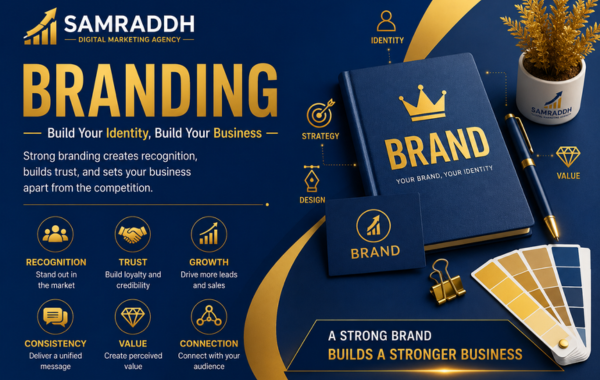
Branding helps businesses create a unique identity, build trust, connect with their target audience, and stand out from competitors. Whether you run a small local business, a startup, or an established company, a strong brand can play an important role in long-term growth.

What Is Branding

Branding shapes the distinct look, personality, and identity that represents your business in the market. Branding involves shaping a distinctive identity that helps a business stand apart from its competitors.

Branding can include:

  • Business name and logo
  • Brand colors and typography
  • Tagline and messaging
  • Website design
  • social media presence
  • Packaging and marketing materials
  • Brand voice and communication style
  • Customer experience

Simply put, branding is how your business presents itself and how customers remember it.

A strong brand creates a consistent experience across different platforms and helps customers understand what makes your business different.

Why Is Branding Important for Your Business?

1. Helps Your Business Stand Out

Competition exists in almost every industry. Customers often have several options to choose from, so businesses need a clear identity that makes them recognizable.

Effective branding can help communicate what makes your business different and give customers a reason to remember you.

2. Builds Customer Trust

Customers are more likely to choose a business that appears professional and consistent.

A well-designed logo, professional website, consistent social media content, and clear communication can create a sense of reliability.

3. Creates Brand Recognition

Think about brands that you can recognize just by seeing their logo, colors, packaging, or advertisements.
Consistent branding helps customers become familiar with your business.

4. Supports Digital Marketing

Branding and digital marketing work closely together.

Your brand identity influences how your business appears across:

Search engines
Social media platforms
Websites
Online advertisements
Email campaigns
Content marketing

When your branding is consistent, your digital marketing campaigns can create a more unified experience for your audience.

5. Helps You Connect With Your Target Audience

Good branding is not only about attractive designs. Effective branding begins with knowing what your target customers value, expect, and need.

Your brand’s design, language, and overall communication should connect with what matters most to your ideal customers. When people feel that a business understands their preferences and challenges, they are more likely to trust the brand and interact with it.

Key Elements of Effective Branding

A successful brand usually consists of several important elements.

Brand Name

Your brand name should be easy to remember, relevant to your business, and suitable for your target audience.

Logo

A logo provides a visual representation of your business. A simple and recognizable logo can make your brand easier to identify across websites, social media, advertisements, and printed materials.

Brand Colors

Colors influence the visual personality of a brand. Choosing a consistent color palette helps create a recognizable appearance across different marketing channels.

Typography

Fonts also contribute to your brand identity. Using consistent typography across your website, social media, advertisements, and marketing materials can make your communication look more professional.

Brand Voice

Brand voice refers to the way your business communicates with customers. Depending on your audience, your communication might be professional, friendly, informative, conversational, or authoritative.

Brand Message

Your brand message should clearly communicate what your business offers, who it serves, and why customers should choose it.

Branding vs. Marketing: What’s the Difference?

Branding focuses on creating your business identity and shaping how people perceive your company.

Marketing focuses on promoting your products or services and attracting potential customers.

For example, your logo, brand colors, tone of voice, and overall identity are part of branding. SEO, social media campaigns, Google Ads, email marketing, and content marketing are examples of marketing activities.

A strong brand can make your marketing efforts more recognizable and consistent.

How to Build a Strong Brand

Building a successful brand requires consistency and a clear strategy. Here are some important steps:

1. Understand Your Target Audience

Identify who your ideal customers are, what they need, what problems they face, and what influences their purchasing decisions.

2. Define Your Brand Personality

Decide how you want customers to perceive your business. Your brand could be professional, modern, premium, friendly, innovative, or approachable.

3. Create a Consistent Visual Identity

Develop a consistent logo, color palette, typography, imagery, and design style that can be used across your marketing channels.

4. Develop a Clear Brand Message

Explain what your business does and what value it provides. Keep your message simple, relevant, and easy for customers to understand.

5. Maintain Consistency

Keep your brand’s design elements, messaging, and tone consistent across your website, social channels, campaigns, emails, brochures, and promotional content.

6. Focus on Customer Experience

Your brand is influenced not only by your marketing but also by customers’ experiences with your business. Good service, communication, and support can strengthen your brand reputation.

Common Branding Mistakes to Avoid

Businesses sometimes make branding mistakes that can weaken their identity. Some common examples include:

Frequently changing logos or brand colors
Using inconsistent designs across platforms
Trying to appeal to everyone
Using unclear or complicated messaging
Ignoring the customer experience
Focusing only on visual design without a clear strategy

A strong brand should be recognizable, consistent, and connected to the needs of its target audience.

Why Branding Matters for Small Businesses

Branding is not only for large companies. Small businesses can also benefit significantly from having a professional brand identity.

For a small business, effective branding can help create credibility,improve recognition, attract the right audience, and compete withlarger companies.

A consistent brand can also make a small business appear moreestablished and professional, especiallywhen customers first discover it online.The Role of Branding in Business Growth

Branding can contribute to long-term business growth by helping customers recognize and remember your company. When a business consistently delivers a positive experience, customers may become more familiar with the brand and more likely to consider it again in the future.

Strong branding can also support customer loyalty, word-of-mouth recommendations, and a stronger market position.

Final Thoughts

Branding is much more than creating a logo or choosing attractive colors. It is the process of building a recognizable identity and creating a consistent experience that customers can connect with.

From your website and social media profiles to your advertisements and customer service, every interaction contributes to how people perceive your business.

If you want your business to stand out, build credibility, and create a memorable presence in the market, investing in a well-planned branding strategy can be an important step toward sustainable growth.

AI And Digital Marketing Trends

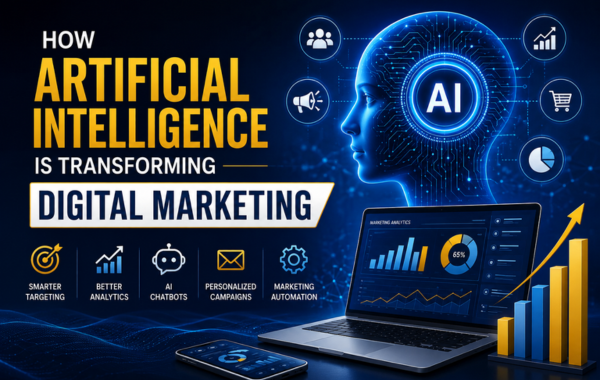
Artificial Intelligence (AI) is no longer a futuristic concept—it has become an essential part of modern digital marketing. From personalized customer
experiences to automated campaigns and predictive analytics, AI is helping businesses market smarter, faster, and more efficiently. Whether you’re a startup,
local business, or established enterprise, integrating AI into your marketing strategy can improve results while saving time and resources.Continue reading

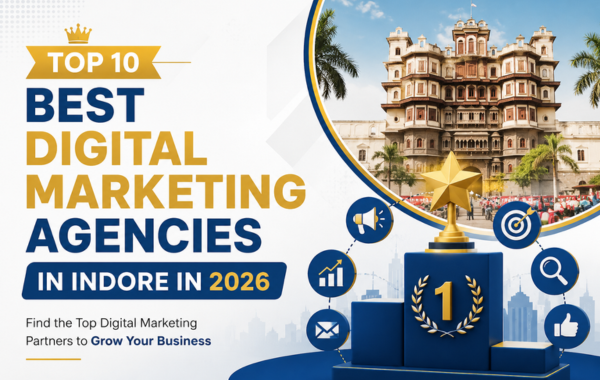
Top 10 Best Digital Marketing Agencies in Indore in 2026

As Indore continues to grow as one of Central India’s leading business and IT hubs, digital marketing has become essential for busi hundreds of digital marketing companies, making it important to choose an agency that aligns with your business goalsnesses of every size. Whether you’re a startup, local business, or established enterprise, partnering with the right agency can help you generate quality leads, improve brand visibility, and increase revenue. Indore is home to hundreds of digital marketing companies , making it important to choose an agency that aligns with your siness goals.

According to recent industry directories, the city has over 200 verified digital marketing firms offering services ranging from SEO and PPC to AI-powered
marketing solutions.

How We Selected These Agencies

This list is based on factors such as:

  • Client reviews and reputation
  • Range of digital marketing services
  • Experience and industry expertise
  • SEO and Google Ads capabilities
  • Website development services
  • Social media marketing expertise
  • Customer support and transparency Innovation and AI-driven marketing strategies

Top 10 Best Digital Marketing Agencies in Indore in 2026

1. Samraddh Digital Marketing Agency

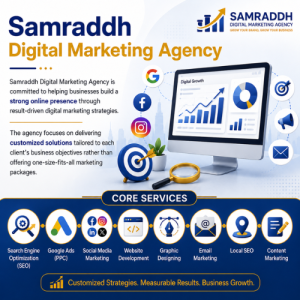
Samraddh Digital Marketing Agency is committed to helping businesses build a strong online presence through result-driven digital marketing strategies.
The agency focuses on delivering customized solutions tailored to each client’s business objectives rather than offering one-size-fits-all marketing packages.

Core Services

  • Search Engine Optimization (SEO)
  • Google Ads (PPC)
  • Social Media Marketing
  • Website Development
  • Graphic Designing
  • Email Marketing
  • Local SEO
  • Content Marketing

Why Choose Samraddh Digital Marketing Agency?

  • Customized marketing strategies
  • Transparent communication and reporting
  • Affordable solutions for startups and small businesses
  • Focus on long-term organic growth
  • Dedicated customer support

2. Infowind Technologies

Infowind Technologies offers digital marketing alongside software and web development services. The company is recognized for its comprehensive digital solutions
and strong client satisfaction.

3. EvenDigit

EvenDigit is known for performance marketing, SEO, Google Ads, and social media advertising.

4. OMR Digital

OMR Digital specializes in SEO, paid advertising, branding, and social media marketing. Their campaigns are designed to improve online visibility and generate measurable business growth.

5. Digital Flavour

Digital Flavour provides SEO, PPC, content marketing, website development, and branding services. The agency has built a strong reputation among businesses looking to improve their digital presence.

6. Jainshree Digital

Jainshree Digital offers complete digital marketing solutions, including SEO, website design, Google Ads, and lead generation services for local and national businesses.

7. Cre8ative Connect

Cre8ative Connect focuses on performance marketing, web development, branding, and social media management, helping businesses grow through creative and data-driven strategies.

8. Obbserv

Obbserv combines digital marketing with branding and technology solutions. The agency is known for delivering creative campaigns backed by analytics and strategic planning.

9. Stubbspire Digital Marketing

Stubbspire offers SEO, PPC advertising, website development, and digital branding services for startups and growing businesses.

10. HypeDigitally

HypeDigitally provides social media marketing, SEO, branding, content creation, and website development services with a focus on helping businesses increase engagement and online visibility.


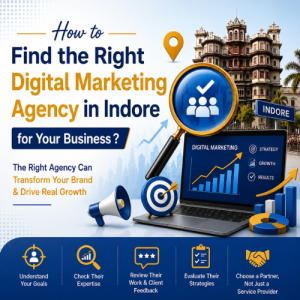
How to Find the Right Digital Marketing Agency in Indore for Your Business ?

Before hiring a digital marketing agency, consider the following:

  • Check verified client reviews and testimonials.
  • Review the agency’s portfolio and case studies.
  • Understand their SEO, PPC, and social media expertise.
  • Ask about reporting and performance tracking.
  • Compare pricing with the services offered.
  • Ensure they understand your industry and business goals.
  • Choose an agency that prioritizes long-term growth instead of quick, short-term results.

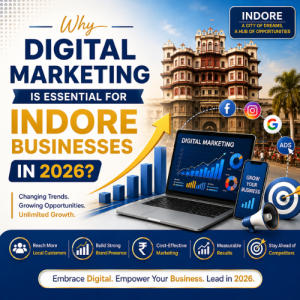
Why Digital Marketing Is Essential for Indore Businesses in 2026?

Consumer behavior is rapidly changing, with more customers searching online before making purchasing decisions. Businesses that invest in SEO, Google Ads ,social media marketing, and content marketing gain a competitive advantage by reaching the right audience at the right time. AI-powered search experiences and answer engines are also making high-quality, authoritative content more important than ever.


Frequently Asked Questions
Which is the best digital marketing agency in Indore in 2026?

The best agency depends on your business goals, budget, and required services. Compare agencies based on experience, client reviews, expertise, transparency,
and proven results rather than choosing solely on price.

Choosing an Agency? Here’s What Services Matter Most

A full-service agency should typically offer:

  • SEO
  • Google Ads (PPC)
  • Social Media Marketing
  • Website Development
  • Graphic Designing
  • Email Marketing
  • Content Marketing
  • Local SEO
  • Analytics and Reporting

How much does digital marketing cost in Indore?

Pricing varies depending on the scope of work, industry competition, and marketing objectives. Monthly retainers often differ based on the services included andcampaign complexity.

Why should I choose Samraddh Digital Marketing Agency?

Samraddh Digital Marketing Agency focuses on customized digital marketing strategies, transparent communication, affordable pricing, and sustainable business growth. The agency works closely with businesses to create tailored solutions that improve online visibility, generate qualified leads, and maximize return on investment.

Final Thoughts

Choosing the right digital marketing agency is a strategic decision that can significantly impact your business growth. The agencies listed above have established themselves in different areas of digital marketing, from SEO and paid advertising to branding and web development. Take time to evaluate your goals,
compare services, and select a partner that aligns with your long-term vision.

If you’re looking for a reliable partner to grow your business online, Samraddh Digital Marketing Agency is dedicated to delivering customized digital marketing solutions that help businesses achieve measurable and sustainable results.